Pillars of the kehilla
Eliezer Ben-Haim (Haimzon) z"l
Eliezer Ben-Haim (Haimzon) was born in 1935 in the shtetl of Majdan near Kolbuszowa, in south-eastern Poland, the fifth of six children. His father, Shmuel Chaim, was a glazier who walked from town to town.
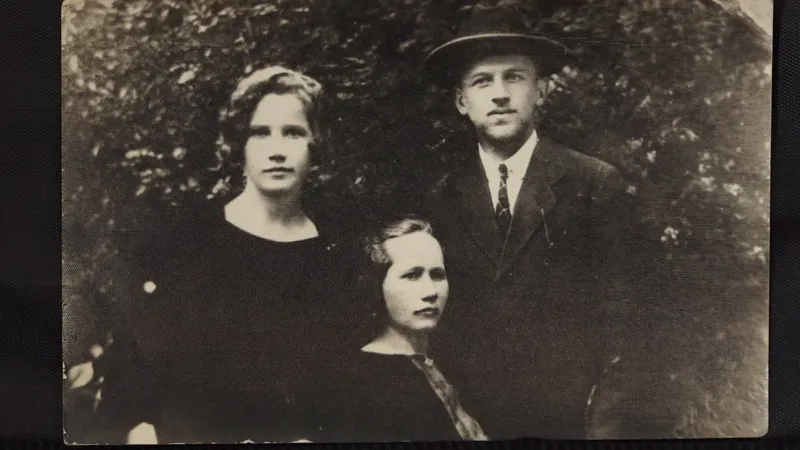
In September 1939 his father - the only man around who read German newspapers - understood what was coming, and the family fled east. The eldest sister, Rachel, visiting an aunt in Kraków, went back to the shtetl to find her family - and was shot in the forest together with all its Jews.
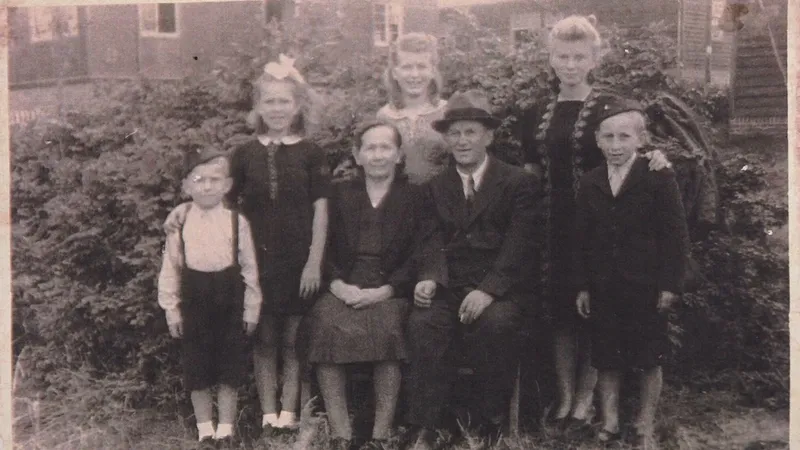
Then came Lwów, deportation to Siberia, and four years in the town of Nookat near Osh, in Kyrgyzstan. His father was drafted into the Red Army as an interpreter in German POW camps; his mother raised five children alone - cleaning strangers’ homes, cooking corn porridge, stretching a hundred-gram bread ration. “I went to sleep hungry and woke up hungry,” Eliezer recalled.
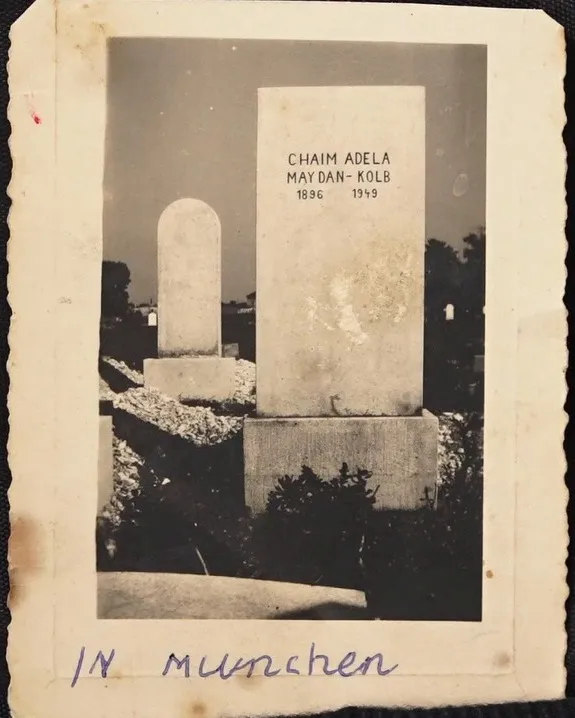
After the war - three months in a train back to Poland. In Szczecin his mother learned the fate of her eldest daughter and of her whole family, and her heart began to fail. Then the DP camps of Germany: Berlin, Rosenheim, Schwarzenborn, Kassel, Feldafing. In July 1949 she died in Munich; hers is among the first graves of the city’s new Jewish cemetery.
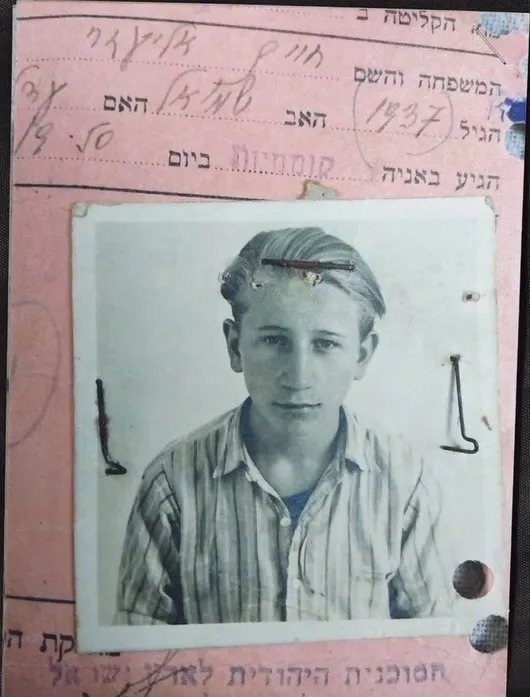
The sick were not allowed to immigrate, and the family was stuck in the camp - so at fifteen Eliezer went alone: by train to Naples and aboard the ship Komemiyut, stepping ashore in Haifa on 2 September 1950. To the officials who had no place for him he said: “Send me back to Germany - I am not leaving.” A place was found: the Nitzanim youth village near Ashkelon, where he trained as a metalworker and plumber. His father and sisters arrived in 1952 - to the Amishav ma’abara in Petach Tikva.
In 1955 he was drafted into the Givati Brigade and spent half a year in night ambushes against the fedayeen on the Gaza border. Then four wars: the Sinai Campaign, the Six-Day War, the War of Attrition and the Yom Kippur War - 166 days in Sinai. “Bullets fell around me like rain and never touched me. My mother watched over me.”
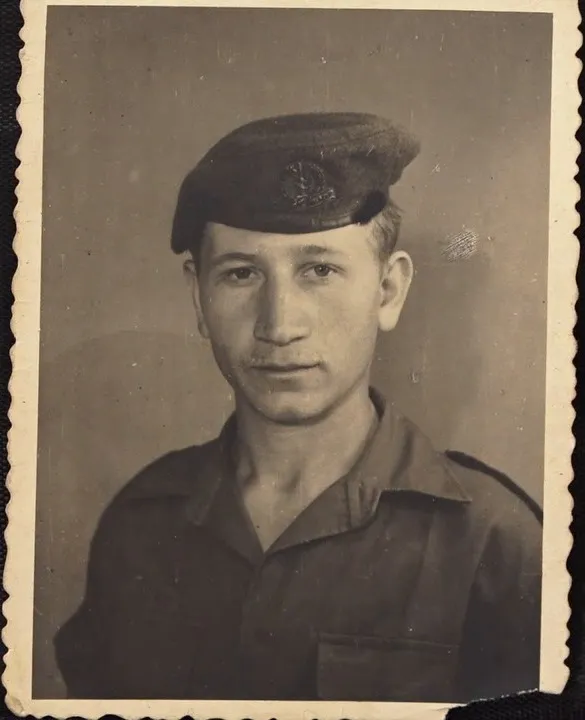
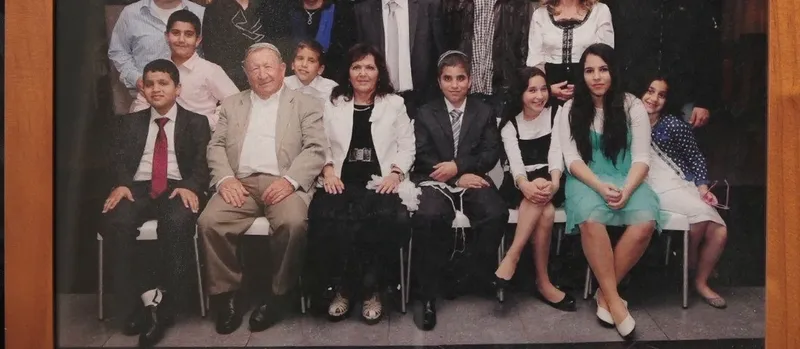
In 1962 he married Adina. Three children, ten grandchildren - “a minyan,” he would smile. In Petach Tikva he was among the founders of Beit Knesset Tiferet Tzvi, and for decades generations of worshippers received birkat kohanim from his lips.
“Love this country - we have no other,” he charged. “And above all: let there be peace among ourselves. Otherwise we have no future here.”
Based on the video testimony recorded by Yad Vashem in Petach Tikva, November 2022.